Blog
Keratin vs Protein Hair Treatment Kits – Which One Is Right for Your Hair?
- January 31, 2026
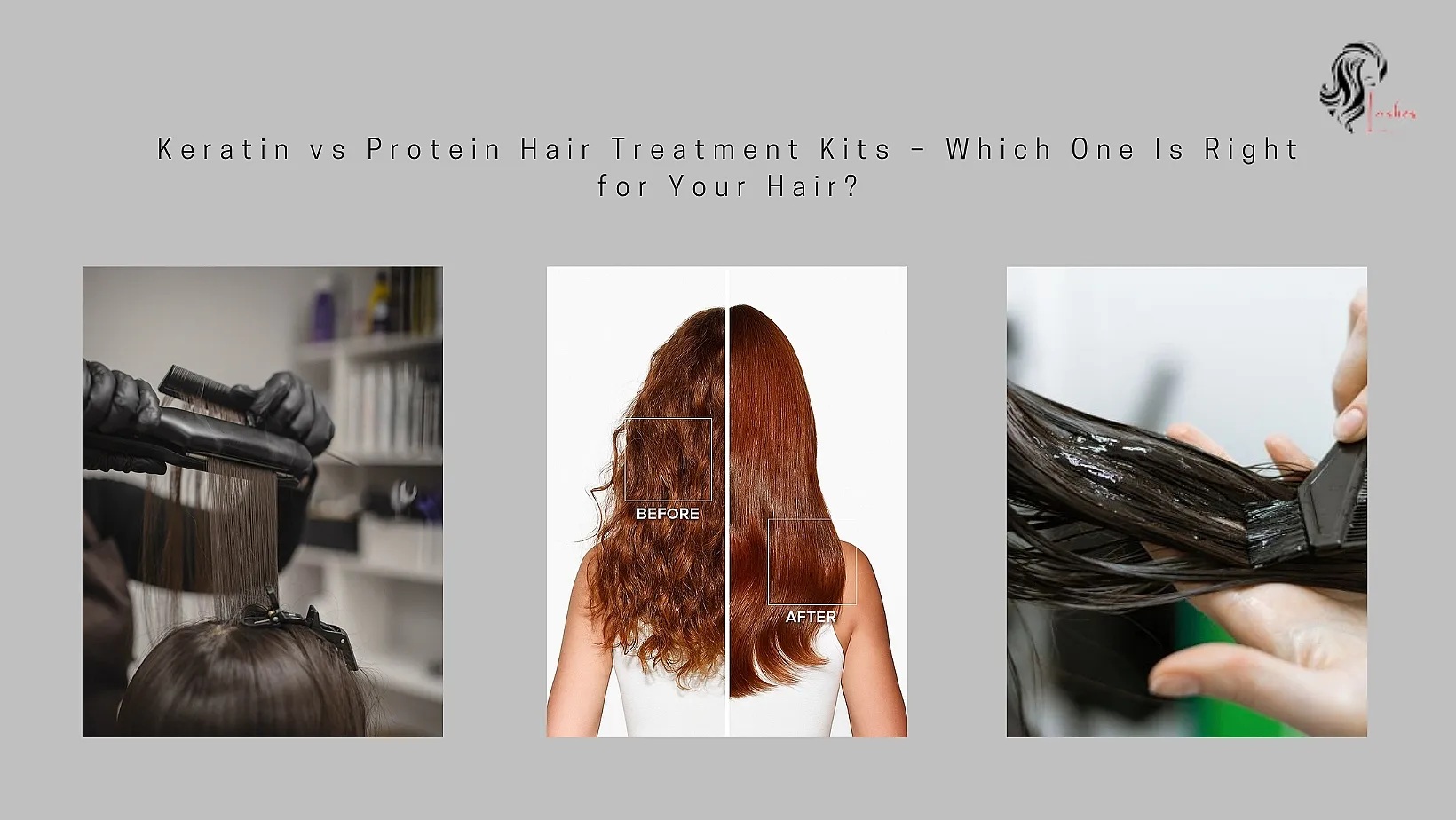
If your hair feels dry, frizzy, weak, or damaged, you’ve probably come across keratin and protein hair treatment kits. Both promise smoother, healthier hair — but they’re not the same, and choosing the wrong one can actually make your hair worse.
This guide breaks down the real difference between keratin and protein treatments, who each one is for, and how to safely choose an at-home hair treatment kit that suits your hair type.
What Is a Keratin Hair Treatment?
Keratin is a naturally occurring protein already present in your hair. Over time, heat styling, chemical treatments, and environmental damage reduce keratin levels, leading to frizz, rough texture, and dullness.
A keratin hair treatment kit works by:
- Replacing lost keratin
- Smoothing the hair cuticle
- Reducing frizz and puffiness
- Making hair more manageable and shiny
Keratin treatments are best for:
- Frizzy or coarse hair
- Chemically treated or colored hair
- Hair that looks dull but isn’t breaking
Keratin treatments focus more on smoothness and appearance rather than strength.
What Is a Protein Hair Treatment?
Protein treatments are designed to strengthen the hair shaft. When hair becomes weak or starts breaking easily, it usually means the hair lacks structural protein.
Protein hair treatment kits help by:
- Strengthening weak hair strands
- Reducing breakage and split ends
- Improving elasticity
Protein treatments are best for:
- Hair that snaps or breaks easily
- Over-processed hair
- Thin or limp hair
Unlike keratin, protein treatments focus on repair and strength, not just smoothness.
Keratin vs Protein Hair Treatment – Key Differences
| Feature | Keratin Treatment | Protein Treatment |
|---|---|---|
| 1 Main purpose | Smoothness & shine | Strength & repair |
| 2 Best for | Frizzy, rough hair | Weak, breaking hair |
| 3 Results | Softer, straighter look | Stronger, healthier strands |
| 4 Risk if overused | Can weigh hair down | Can make hair stiff |
| 5 Maintenance | Needs sulfate-free care | Occasional use |
Tip: If your hair feels soft but snaps, you likely need protein. If it feels rough, puffy, and hard to manage, keratin-style smoothing care may help.
Understanding this difference helps avoid one of the most common hair mistakes: using protein on hair that doesn’t need it or keratin on severely weak hair.
Which Treatment Should You Choose Based on Your Hair Type?
- Dry & Frizzy Hair
- Keratin treatment kit
Helps seal moisture and smooth rough texture.
- Keratin treatment kit
- Weak, Breaking Hair
- Protein treatment kit
Strengthens hair structure before styling.
- Protein treatment kit
- Chemically Treated or Colored Hair
- Light keratin or balanced protein treatment
Avoid heavy protein unless breakage is severe.
- Light keratin or balanced protein treatment
- Thin or Fine Hair
- Mild protein treatment (occasionally)
Too much keratin can make hair limp.
- Mild protein treatment (occasionally)
Are At-Home Hair Treatment Kits Safe to Use?
Yes — if you choose the right product and follow instructions properly.
When buying an at-home keratin or protein kit, always check:
- Clear ingredient list
- Usage instructions
- Authentic brand packaging
- Avoid overly harsh formulas
Professional-grade kits designed for home use can deliver good results without salon visits, as long as they are used correctly and not overapplied.
Recommended Hair Treatment Kits Available Online
If you’re planning to treat your hair at home, these categories are commonly used:
- Keratin Treatment Kits – for smooth, frizz-free results
- Protein Treatment Kits – for strengthening weak hair
- Keratin Blowout Kits – for longer-lasting smoothness
- Hair Masks & Serums – for maintenance after treatment
Always pair treatments with proper after-care products to extend results.
Common Mistakes to Avoid
- Using protein treatments too frequently
- Applying keratin on extremely weak hair
- Skipping patch tests
- Using sulfate shampoos immediately after treatment
Hair treatments work best when matched to your actual hair condition, not trends.
How Climate Affects Winter Skincare in Pakistan
In urban areas, pollution and smog settle more easily on dry winter skin, clogging pores and weakening the skin barrier. This makes gentle cleansing and barrier protection essential.
In rural and open areas, cold winds and dry air pull moisture from the skin faster, increasing dehydration and rough texture. Rich moisturizers and consistent hydration help counter these effects.
Winter Skincare Ingredients to Look For in Pakistan’s Climate
Hyaluronic Acid deeply hydrates by attracting moisture to the skin.
Ceramides strengthen the skin barrier and prevent moisture loss.
Glycerin maintains moisture balance and improves skin comfort during cold weather.
Final Thoughts
Keratin and protein treatments solve different hair problems.
Choosing the right one depends on whether your hair needs smoothness or strength.
By understanding your hair type and using the correct at-home treatment kit, you can improve hair texture, health, and appearance without unnecessary damage.
FAQs
Quick answers about keratin and protein treatments—what to expect, how long results last, and how to use them safely.
Q1: Can keratin treatments damage hair? +
A1: Keratin treatments are generally safe when used correctly. The main risk comes from overuse or poor application, which can lead to dryness or buildup—so moderation and proper aftercare matter.
Q2: How long do keratin treatment results last? +
A2: Results typically last 4–8 weeks. Longevity depends on your hair care routine—especially the shampoo you use and how often you wash your hair.
Q3: Can I use both keratin and protein treatments? +
A3: Yes, but not at the same time. Many people alternate depending on hair condition—using keratin for smoothing and protein for strengthening when hair feels weak or breaks easily.
Q4: Are home treatment kits effective? +
A4: Yes—quality home kits can give noticeable results when used properly. Follow instructions closely and choose reputable formulas suited to your hair type and goals.